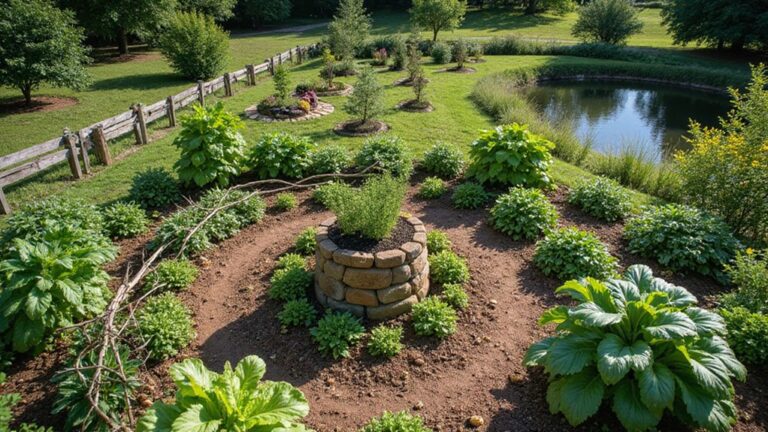
So, you’re ready to dig into gardening, huh? Hold up! The biggest blunder first-timers make? Rushing in without a plan. Seriously, it’s like diving into a pool without checking for water. You’ve got to choose the right plants, know your soil, and understand those pesky sunlight needs. Think you can wing it? Spoiler alert: you can’t. Want to avoid a garden disaster? Let’s break down the essentials before you get your hands dirty.
Highlights
- Failing to plan their garden layout, leading to poor plant placement and growth issues.
- Choosing non-native plants that require more maintenance and may not thrive in local conditions.
- Ignoring soil quality and not preparing it properly, which can hinder plant development.
- Overwatering or underwatering plants due to a lack of understanding of proper moisture management.
- Neglecting pest control measures, resulting in infestations that can damage or kill plants.
The Importance of Planning Before You Plant

Before you even think about shoving a seed into the ground, let’s get one thing straight: planning isn’t just a suggestion, it’s a must.
Planning your garden isn’t optional—it’s essential. Don’t plant without a solid map and strategy!
You wouldn’t jump on a rollercoaster without checking the safety bar, right? The same goes for your garden layout. Sketch it out. Visualize where each plant goes, considering their sunlight needs and how they’ll grow.
And hey, don’t ignore seasonal timing! Planting too early or late? It’s like wearing a winter coat in July—just dumb.
Get your act together, map it out, and avoid the chaos. Trust me, your future self will thank you for the time spent plotting! Additionally, consider implementing sustainable practices that can enhance your garden’s health and productivity.
Choosing the Right Plants for Your Environment
How do you choose the right plants for your garden without feeling like you’re playing a game of botanical roulette?
Start by embracing climate adaptation. Seriously, plants that thrive in your local climate are your best pals. Why? They know the drill—sun, rain, and all that jazz.

Look for native species; they’ve been chilling in your area longer than you have. They’re tough, resilient, and require less fuss.
Wanna avoid heartbreak? Skip the exotic divas that scream for attention. Stick to the locals, and you’ll be planting with purpose, not guesswork.
Your garden will thank you, and so will your sanity. Additionally, consider incorporating nutrient-dense foods that can contribute to a balanced ecosystem in your garden.
Understanding Soil Quality and Preparation

While you might think soil is just dirt, let me tell you—it’s the lifeblood of your garden! You’ve gotta nail that soil composition.
Mix in your organic matter, like compost, to boost that nutrient balance. So, what’s the deal? Do you even know what your soil needs? Test it! Seriously, grab a kit and get to work.
Don’t just dump some seeds in and hope for the best. You wouldn’t build a house on quicksand, right? Your plants deserve better! Additionally, consider incorporating dried beans into your garden as they enrich the soil with nitrogen, benefiting future crops.
The Dangers of Overwatering and Underwatering
Although it might seem harmless, overwatering and underwatering can turn your garden dreams into a total nightmare. Seriously, who wants wilted leaves or soggy roots?
Mastering water management is essential. You need that perfect moisture balance—too much and you’re drowning your plants; too little and they’re gasping for life.
Check the soil; stick your finger in it. If it’s dry an inch down, time to water! If it’s mushy, hold off. Proper moisture removal is critical to prevent spoilage in your garden, just as it is with dehydrated foods.
The Role of Sunlight in Plant Growth

You might think watering’s the only thing that matters, but guess what? Sunlight exposure is your plant’s lifeblood. Without it, your greens won’t just sulk—they’ll die.
You need to understand their light requirements. Some crave full sun, while others prefer the shade. Got a sunny spot? Perfect! But if your plants look leggy or pale, they’re screaming for more light, buddy.
Don’t play favorites; rotate them for even growth. And remember, too much sun can be just as bad. So, keep an eye on those leaves. A well-prepared mind and community serve as powerful allies in times of crisis.
Happy plants equal a happy gardener. Trust me; you’ll thank me later!
Pest Control: Prevention vs. Reaction
When it comes to pests, you can either be the ultimate gardener hero or the unsuspecting victim of a bug invasion. Seriously, why wait until you’re knee-deep in aphids?
Embrace integrated pest management—sounds fancy, right? It’s just smart science! Use natural remedies like neem oil or garlic spray. Trust me, those bugs won’t know what hit ’em.
Prevention is your best friend; scout your plants regularly and act fast if you see trouble brewing. Don’t be reactive, or you’ll be out there battling bugs like it’s a horror movie.
Be proactive. Your garden deserves the best—so give it a fighting chance!
The Benefits of Crop Rotation and Diversity
Crop rotation and diversity aren’t just some fancy gardening buzzwords; they’re the secret sauce to thriving plants.
You want healthy veggies? Switch things up! Crop diversity keeps pests guessing and diseases at bay—because who wants to fight the same battle year after year?
Rotation benefits? Oh, they’re real. By planting different crops in different spots, you improve soil health and boost nutrient levels. It’s like a spa day for your soil!
Learning From Mistakes: Embracing Gardening Challenges
Gardening isn’t just about plopping seeds in the ground and hoping for the best; it’s a wild ride filled with epic fails and glorious triumphs.
So, you messed up? Cool. Embrace failure! Each blunder’s a lesson wrapped in dirt and sweat. Maybe your tomatoes got fried in the sun—ouch! But guess what? You’re learning resilience. Next time, shade ’em or water better.
Gardening’s tough love, my friend. You’ll face pests, wilting plants, and the dreaded blossom end rot. But hey, isn’t that part of the fun? Roll with it. Laugh, learn, and dive back in. You’ve got this!
FAQs
How Can I Tell if My Plants Are Healthy?
You wanna know if your plants are thriving? Look for plant symptoms like vibrant, green leaves.
If they’re turning yellow, you’ve got a problem. Seriously, leaf discoloration isn’t just a bad look; it screams for help!
Check the soil too—too dry or soggy? Not good.
Keep an eye out for pests; they love to crash the party.
Trust your gut, and don’t ignore the signs. Your plants deserve better!
What Tools Do I Need to Start Gardening?
You wanna start gardening? Awesome! Grab some essential tools first. You’ll need a trusty trowel, pruning shears, and a sturdy rake.
Don’t forget gloves—unless you enjoy dirt under your nails.
Now, let’s talk soil preparation. You’ve gotta mix in compost to get that rich, nurturing vibe going. It’s like giving your plants a spa day!
Seriously, without good soil, you’re just throwing seeds into a dirt pit. Get it together!
When Is the Best Time to Start a Garden?
You wanna know when to start a garden? Spring planting’s your golden ticket.
Seriously, it’s like Mother Nature’s cue to get your hands dirty. Think of seasonal crops—like tomatoes and peppers—ready to strut their stuff.
Don’t wait too long, or you’ll miss out. Trust me, timing’s everything.
Plant too early, and frost’ll laugh in your face. So, grab your seeds and get ready to release your inner garden warrior!
How Do I Attract Beneficial Insects to My Garden?
Wanna attract those helpful insects? Start by planting native plants. They’re like a buffet for pollinators.
Think about it: the locals know the menu. Next, toss in some insect hotels—these little condos are like five-star resorts for beneficial bugs. Trust me, they’ll move in faster than your nosy neighbor.
Just remember, a diverse garden is a happy garden. You want all the good bugs partying, not just the freeloaders.
Get to it!
Can I Grow Vegetables in Containers?
Absolutely, you can grow veggies in containers! Just pick the right container types—think big pots or even hanging baskets for herbs.
Go for vegetable selection that fits your space: cherry tomatoes, peppers, or salad greens are stars in small digs.
Don’t overwater; your plants aren’t fish!
And hey, don’t stress if you mess up. Gardening’s about learning, right?
Final Thoughts
So, you’re ready to plunge into gardening? Awesome! Just remember: don’t be that person who plops seeds in the ground without a game plan. Plan it out, know your plants, and give them the right environment. It’s like throwing a party—if you don’t prep, it’s gonna be a disaster. Embrace the mess-ups, learn from them, and trust me, you’ll grow as much as your plants. Now go on, get your hands dirty, and let’s make that garden thrive!